USB-C Earbuds: The Digital Future of Portable Audio
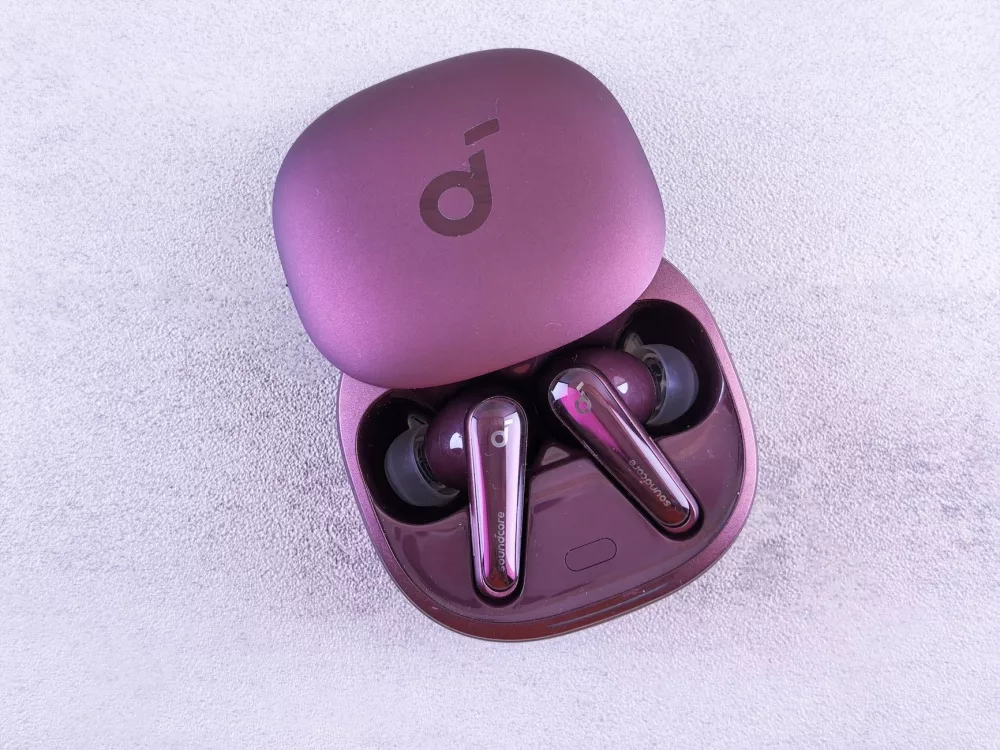
Alright, let's talk about USB-C earbuds. If you've been keeping an eye on the world of tech, especially smartphones and laptops, you've probably noticed that the trusty old 3.5mm headphone jack is disappearing faster than free samples at a Costco. Manufacturers are pushing for a single port solution, and for audio, that often means USB-C. But what exactly are USB-C earbuds, and are they really worth making the switch?
What's the Deal with USB-C Audio, Anyway?
For years, our headphones plugged into a 3.5mm jack, sending an analog audio signal from our device. That signal had to be converted from digital to analog by a special chip called a Digital-to-Analog Converter (DAC) inside your phone or computer. With USB-C audio, things get a little different. We're talking about a direct digital connection from your device to the earbuds. This means the audio signal stays digital for longer, which can have some cool benefits.
You see, most USB-C earbuds actually have their own DAC built right into them, or at least into the cable. So, instead of your phone doing the heavy lifting of converting the digital music file to an analog signal, it just sends the raw digital data through the USB-C port. The earbuds then take that digital stream and convert it to sound waves right before they hit your ears. This approach theoretically minimizes interference and can potentially offer a cleaner audio experience, because the conversion happens closer to the source of the sound delivery, away from the phone's noisy internal electronics.
Why Manufacturers are Embracing USB-C for Audio
There are a few compelling reasons why device makers are so keen on USB-C. First off, it's about space. Every component inside a smartphone takes up precious room, and removing the 3.5mm jack allows for thinner designs, bigger batteries, or more room for other components like camera modules. Then there's water resistance; fewer open ports mean it's easier to seal a device against dust and liquids. We also can't forget the idea of a universal connector – one port for charging, data transfer, and audio. It sounds super convenient, doesn't it? No more fumbling for different cables or adapters for every accessory you own. That's a big win in my book for simplicity.
The Upsides of Going USB-C with Your Earbuds
- Potentially Better Audio Quality: Since the digital-to-analog conversion happens within the earbuds themselves (or a dedicated chip in the cable), manufacturers can use higher-quality DACs than what might be standard in a budget phone. This can translate to a cleaner, more detailed sound experience, especially if you're listening to high-resolution audio files.
- Reduced Interference: Analog signals are prone to electromagnetic interference. By keeping the signal digital for longer, USB-C earbuds can bypass some of the noise generated by other components within your device, leading to a cleaner sound.
- Power for Advanced Features: The USB-C port can provide power directly to the earbuds. This opens up possibilities for more advanced features like active noise cancellation (ANC) without needing a separate battery in the earbuds, or even integrating smart features that require more juice.
- Reversible Connector: This might seem small, but let's be honest, not having to fumble with which way to plug in your cable is incredibly satisfying. USB-C is reversible, so there's no
About Editorial Team
Senior columnist and culture critic specializing in architectural designs, emerging high-growth systems, and contemporary philosophies.