Crypto and Airtel: Exploring the Confluence of Digital Assets and Telecommunications
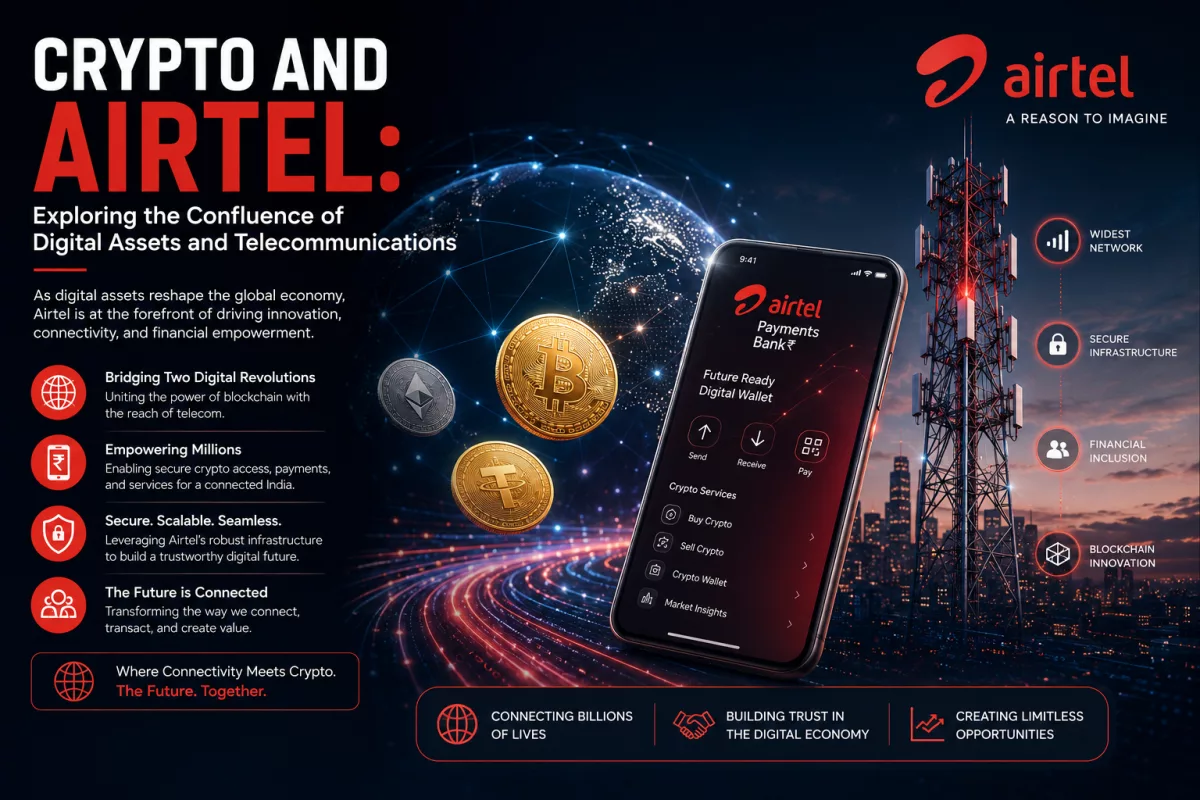
It’s very interesting whenever the phrase “crypto batter com airtel” is mentioned. This phrase sounds like a mixture of terms from completely different worlds, doesn’t it? First of all, there is the term “crypto”, referring to the modern era of cryptocurrencies and blockchain. After it comes the word “batter” which can refer to various meanings, and lastly comes “Airtel,” one of the largest telecommunications corporations in India and Africa. Isn’t it exciting? There should be something interesting to discover regarding the potential interactions between those words.
Explaining the Concept of “Batter”
Now, it’s time to explain the meaning of the very interesting word “batter.” Definitely, it is far from being obvious in the current situation. What does it mean in case it is neither about cooking nor baseball? The way I see it, it is all about impact, disruption, or something totally new. Let me explain; it could be understood as a combination of ingredients to create something else, or maybe a forceful push towards change. It is about how the technology of cryptocurrency may be impacting or integrated into a large telecom network such as Airtel, or maybe a new platform called 'CryptoBatter.com' will appear (*blending* both technologies).
The Scale of the Digital Footprint and Reach of Airtel
As we explore the possibility of using crypto currency at airtel, it is important to understand the size of Airtel as a corporation. The scale of the organization cannot be over-emphasized. In addition to being a mobile network provider, they have become a very big digital platform where people access mobile data, voice, broadband, as well as digital television. Through Airtel Payments Bank, customers can also access different financial products and services from this corporation. This branchless bank is playing a pivotal role in India’s financial inclusion story. It is indeed amazing.
Crypto's Value Proposition: Why This Is Relevant Here
Next up, crypto. What is its value proposition? While we may associate crypto with Bitcoin and Ethereum, it's actually the blockchain technology underneath which carries the real transformative power. Some of the features of the blockchain technology that are relevant in our context are as follows:
- Decentralization: Dependence on centralized institutions is minimized.
- Transparency: All transactions are recorded in an immutable ledger.
- Efficiency: Quick and cheap cross-border transactions.
- Financial Inclusion: Access to financial services by the unbanked population.
These are some of the capabilities combined with the large customer base and digital infrastructure possessed by Airtel, and you will see that there are a lot of possibilities here.
Points at Which Crypto Can "Beat" Airtel Ecosystem
And now, at which points will these two ecosystems collide? Here is a list of some points where I think crypto can disrupt the existing ecosystem of Airtel or can merge with it to make something completely new.
Remittances and Cross-Border Payments
It is one of those areas that have lots of potential. Money transfer between nations happens quite frequently, and the existing procedures can be pretty time-consuming and expensive. Let me give you an example – Airtel Money is already among the best in the sphere of mobile remittances. Now, what about utilizing stablecoins or any other crypto for these operations? It would greatly reduce fees and time for settlements. Take an Indian worker who sends money to his family in India – it will instantly be received to Airtel Payments Bank account with minimum fees. I think it's going to be a big deal for financial inclusion, and it surely 'batters' the old process.
Mobile Top-Ups and Bill Payments
In today’s world, you would buy services provided by Airtel with fiat currency. But what if you can buy mobile top-ups and pay your electricity bills in cryptocurrencies? The emergence of such a platform can be expected in the near future. In addition to providing new opportunities for cryptocurrency users, such a platform would allow generating additional profits for Airtel and making digital currencies more convenient for usage.
Tokenization of Loyalty Programs
Almost every company has some kind of loyalty program. For example, there is one at Airtel. What if we tokenized loyalty points and made them cryptocurrencies, which could be converted to other cryptos? This is an example of how we can use blockchain technology not only for payments.
Identity Management and KYC
Airtel has plenty of customer data available to it and includes the KYC (Know Your Customer) data too. With the help of Blockchain, digital identities can be developed in a safe and decentralized manner. For Airtel, it can be the way forward to offer customers better access to their data as well as ensure identity verification processes are seamless. It will be an exciting shift for sure towards a more user-centric digital identity system.
Integration of Web3 and Data Monetization
As Web3 is becoming popular day by day, we see that a new decentralized version of the internet is emerging where people will have more data sovereignty. Being the largest provider of internet services across the globe, there could be some opportunities for Airtel in this respect. They can either partner with Web3 firms or provide some services like decentralized storage and help people monetize their data through Blockchain. The term 'com' in 'crypto batter com airtel' might mean something like that.
Road Ahead: Challenges and Opportunities
Needless to say, there are several challenges that must be overcome when it comes to integrating the crypto with a regulated company such as Airtel. For example, the regulatory environment in which one works is very diverse and restrictive in some countries such as India. Security issues, user education, and service reliability would also need to be taken into account. These challenges cannot be underestimated, but then again, neither can the opportunities.
Conclusion
To conclude, the concept of "crypto batter com airtel" has brought about an exciting future regarding the integration of blockchain technology into the traditional telecoms structure. This is because of the ways in which such integration could “batter” through any barriers and pave the way for finance.
About Editorial Team
Senior columnist and culture critic specializing in architectural designs, emerging high-growth systems, and contemporary philosophies.